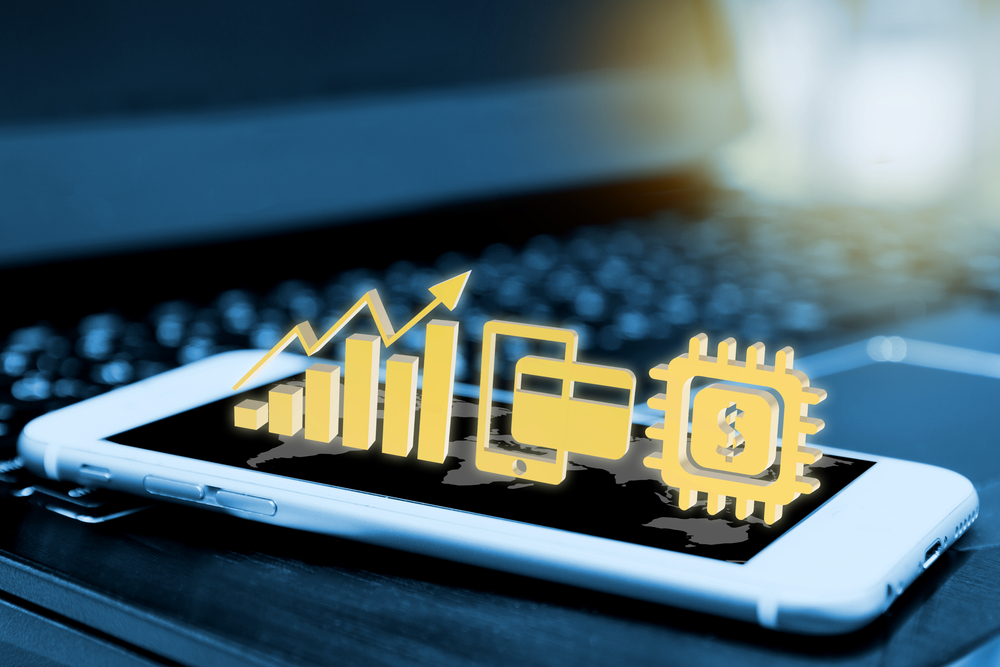
The term ‘fintech’ refers to the technology deployed to automate and improve financial services. In recent years, fintech companies have been disrupting ‘traditional’ money management and financial institutions, creating services that are faster, better, and more accessible to individuals, business owners, and companies. The key differences between fintech companies and legacy financial institutions are around the areas of function, regulation, growth potential, and risk.
Function
The function of traditional banks is to provide financial services, and they tend to focus on client security. They are licensed to provide the services they offer. Fintech companies, such as Savannah Technologies Ltd, under the directorship of David Mouko Elizaphan Omaanya, focus on client requirements and aim to automate and improve the provision and nature of financial services. Elizaphan Mouko is an expert in the fintech and payments industry.
Regulation
Legacy banks are regulated by the central or national banks of the country in which they operate. Conversely, there is no specific regulatory body in place for fintech institutions.
Growth Potential
In terms of market distribution, traditional banks are limited. Fintech companies, however, enjoy much larger market distribution potential due to new technologies and trends.
Risk
Legacy financial institutions must operate under strict regulation, which serves to lower the associated risk factor. Fintech companies are more flexible in nature, which can make them a comparatively riskier proposition.
Collaborations Between Banks and Fintech
If traditional banks and fintech companies collaborate, there can be many advantages. Not least of these is the fact that, if working as part of a joint enterprise, both will be regulated under a single framework, which can boost consumer trust. Plus, the advanced technology that fintech offers to traditional banking methods and institutions could benefit the financial system as a whole.
What is Driving the Rise of Fintech?
During the first few months of the pandemic, the use of mobile banking channels jumped by 20% to 50%, according to a study by McKinsey. This increase occurred in conjunction with a general consumer demand for a better overall online experience: one that was quicker and more efficient. Financial service providers realized that they’d need to integrate technology into their services to give consumers the frictionless experience they now expected.
More people than ever before want a more flexible journey in terms of digital banking, with the availability of multi-channel interactions and a fully digital private banking journey where remote human assistance can be accessed if necessary.
For more information about the future of fintech, take a look at the embedded PDF.